How do I measure my watch's strap size?
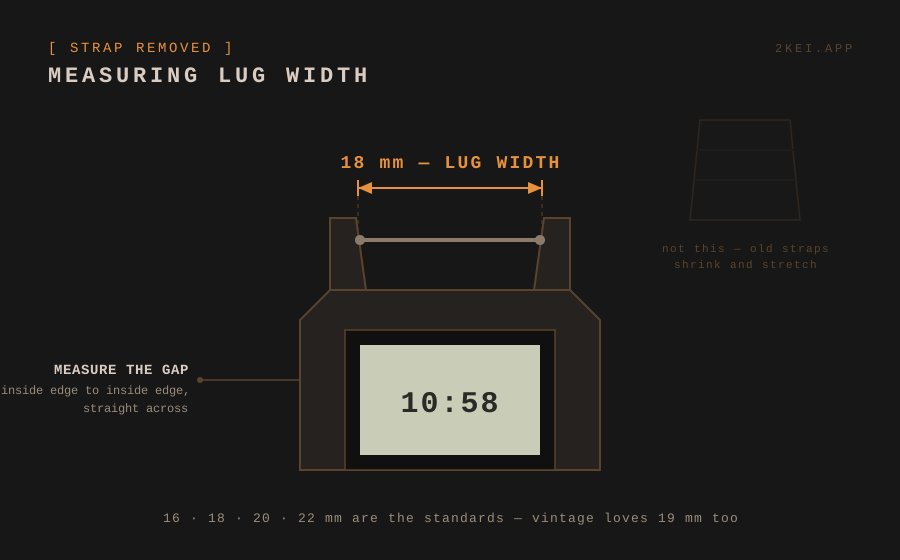
The number you need is the lug width: the distance between the two lugs (the arms that hold the strap), measured in millimeters at the point where the strap attaches. That single number — 16mm, 18mm, 20mm, 22mm — is what strap listings mean by "size".
How to measure: use a ruler or calipers across the inside gap between the lugs, not across the strap itself (old straps shrink and stretch). Measure straight, not diagonally. If you land between sizes, vintage watches are almost always even numbers or 19mm — 19mm shows up on more vintage models than people expect.
The second number that matters — length: standard straps run about 115-125mm on the long side. Most listings are "regular" length; if you have a small or large wrist, check the listed length, not just the width.
Why vintage digitals are trickier: many classic Casios don't use a standard spring-bar strap at all. Some have proprietary resin straps that attach with screws into the case, some integrate the strap into the case shape entirely. On these, "18mm" means nothing — you need the model-specific strap or an adapter. Check the model page in our database: where a watch takes a standard width we list the millimeters, and where it needs an OEM part we say so.
Quick sanity check before ordering: the old strap usually has the width stamped on the back near the buckle end. Thirty seconds with a flashlight beats a return shipment.
A DIGITAL HOME FOR YOUR DIGITAL WATCHES
Collection, batteries, and the story behind each piece. Free to start.
→ START FREE