How do I spot a fake Casio F-91W?
The F-91W's curse is its fame: one of the most produced watches in history is also one of the most counterfeited. Fakes flood auction sites and market stalls, and some are convincing at arm's length. Up close, they give themselves away in consistent places.
The case back is the first check. A genuine F-91W back is cleanly stamped: model number, module number in its rectangle, "WATER RESIST", and crisp lettering with even depth. Fakes get the module number wrong or omit it, use shallow or uneven stamping, and often have visibly rough edges on the steel plate.
The display font is the tell collectors trust most. Casio's segment font is precise — digit proportions, segment spacing, the colon placement. Fakes use similar-but-off LCD layouts: digits slightly too wide, seconds digits misaligned, a day-of-week display in a font Casio never used. Comparing side-by-side with photos of a verified genuine makes it obvious.
Function checks that fakes fail: the backlight on a real F-91W is a soft green-blue glow from the side. Many fakes have no light behind the button at all, or a bright blue LED. Alarm and hourly chime behavior following the official module manual exactly is another quiet test — counterfeit modules improvise.
Weight and feel: genuine resin is matte and consistent; many fakes are shinier, lighter, with molding seams on the strap edges.
The buying rule that beats every tell: the price and the seller matter more than the watch. A genuine F-91W is cheap enough that the discount a counterfeit offers is meaningless — buy from established sellers, and on marketplaces insist on case back photos before paying. The two minutes that takes filters out nearly everything.
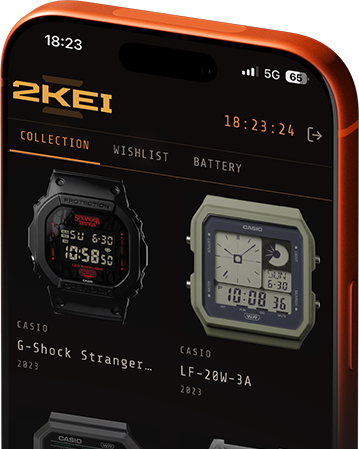
A DIGITAL HOME FOR YOUR DIGITAL WATCHES
Collection, batteries, and the story behind each piece. Free to start.
→ START FREE