My watch battery leaked. Can it be saved?
Sometimes, yes — it depends on how far the leak traveled and how long it sat. A leak caught early often means a twenty-minute cleanup. A leak that spent years migrating through the module is usually the end, and knowing the difference saves you from both giving up too early and wasting hours on a lost cause.
What you're looking at: alkaline cells (LR types) leak potassium hydroxide, which dries into a white or blue-green crust. It's corrosive and keeps eating contacts as long as it sits there. Silver oxide and lithium cells leak far less often — which is one reason collectors prefer them in stored watches. See our battery codes guide for which is which.
Triage. Open the back and assess. Crust only on the battery and the bay contacts: very good odds. Residue tracked along the metal battery strap toward the module: fair odds. Green corrosion visible on the circuit board itself, or under the module's plastic frame: poor odds — board traces may already be eaten through.
The cleanup: remove the battery and dispose of it. Neutralize alkaline residue with a cotton swab barely dampened with white vinegar, then follow with isopropyl alcohol swabs until they come away clean, and let it dry fully. Stubborn crust on contacts comes off with a fiberglass scratch pen or careful scraping with a toothpick. Bent or weakened contact springs can sometimes be re-tensioned gently.
Then test: fresh battery, AC reset, and honest expectations. Missing segments or a dead display after a proper cleanup usually means trace damage — at that point it's a donor-module hunt, not a cleaning problem.
The real lesson every collector learns once: dead batteries left in stored watches are the number one killer of vintage digitals.
NEVER FIND A DEAD WATCH IN A DRAWER AGAIN
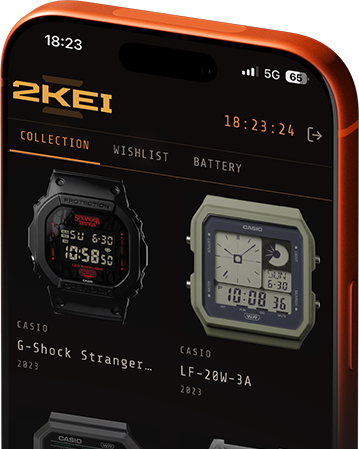
2kei tracks every battery and reminds you before it dies.
→ START TRACKING